What the museum taught me about my own trade

I don't like the Dutch Golden Age, the Dutch painting of the 17th century. I walked into the Rijksmuseum knowing that. I walked out with the only real technical lesson I've had all year.
The app guide is excellent. Really. It places every room in its decade. It explains why a militia of citizens orders a group portrait. It explains what the Peace of Münster changes for a city of merchants. You come out understanding the timeline. That is exactly what I want from a museum. And it is exactly what didn't hold me.
What held me was the detail.
Not the composition, not the subject, not the history: the paint itself, thirty centimetres from the canvas.
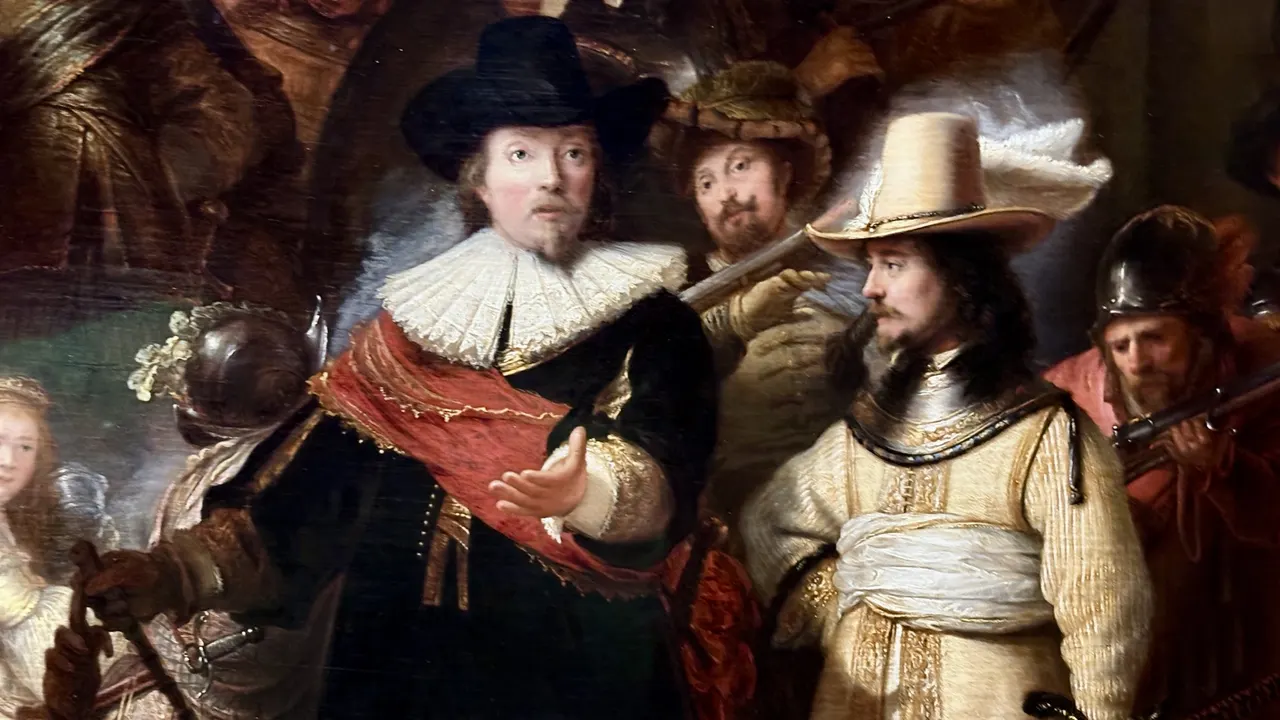
Van der Helst painted the civic-guard banquet for the Peace of Münster. In it, two men shake hands. Nothing else. Two hands of men in their fifties, with the veins, the slightly thick knuckles, skin that has lived. Beside them, a glass of wine held from underneath. In the glass, you see the reflection of the window. In 1648, the painter showed light passing through a liquid inside a clear object. With no tool but his eye.
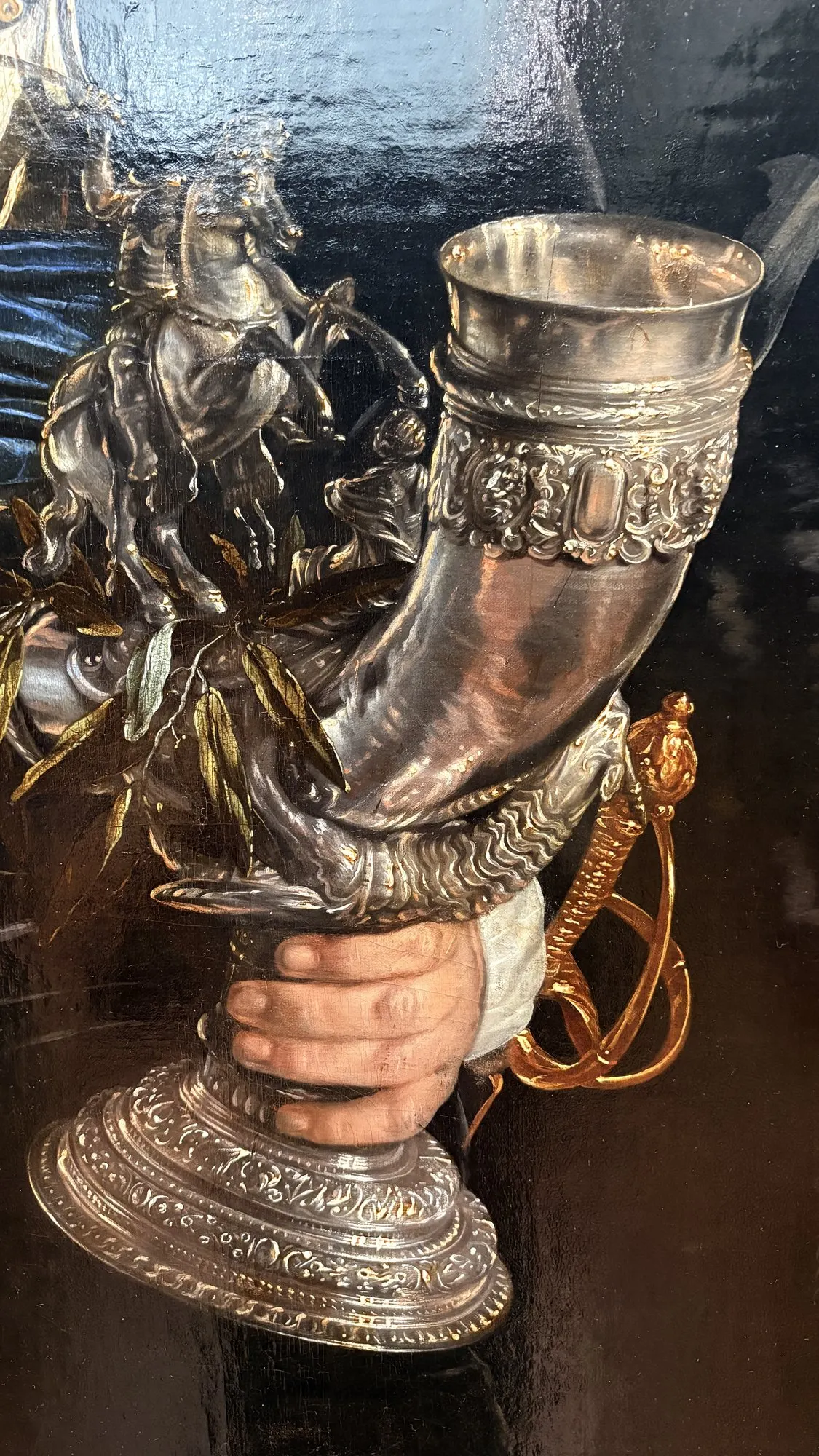
That is already documentary accuracy: showing things exactly as they are. But it is not yet what interests me.
What interests me comes just after. The same hand, on the same canvas, does not only say "here is a hand". It says: this man is shaking his lieutenant's hand, it is a public moment, he is proud of it, and he is too hot under his lace collar. The painter showed the exact appearance and what was happening in that second. Both at once, without one damaging the other.
With Rembrandt, the proof goes the other way: less precision. Take Self-portrait as the Apostle Paul. Up close, it is no longer a face. It is matter: impasto, which means paint laid on thick, and greasy streaks of white in the turban. Step back two paces, and a man of fifty-five is looking at you, without flattering himself. In The Jewish Bride, the man's sleeve is in relief: paste, scraping, gold laid on with a trowel. His hand on her is painted smooth, held back, almost shy. The contrast isn't decoration. It is the subject.
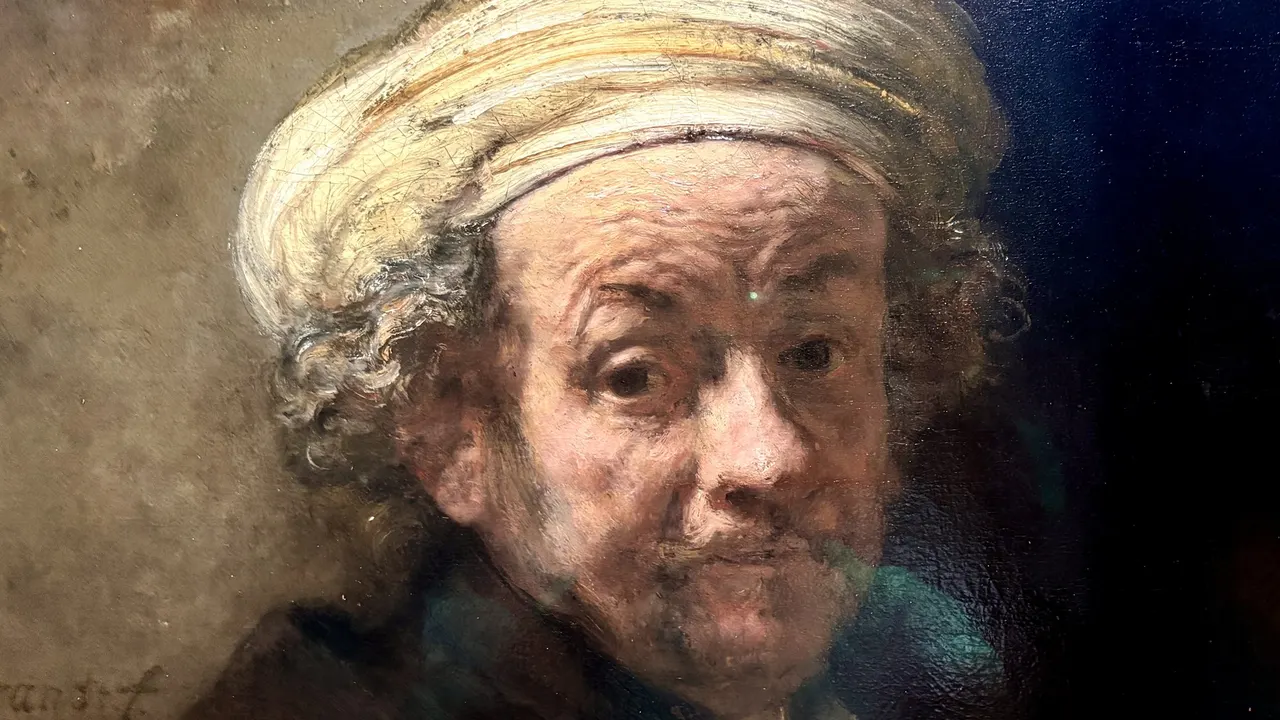
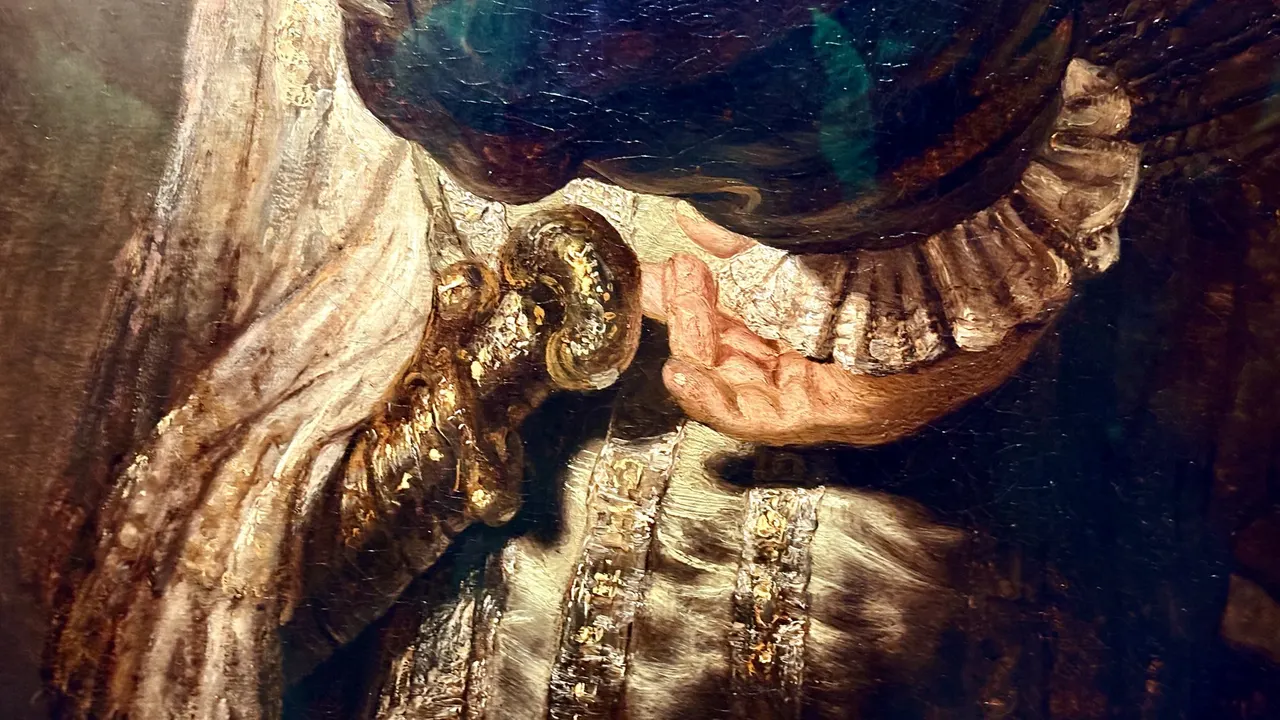
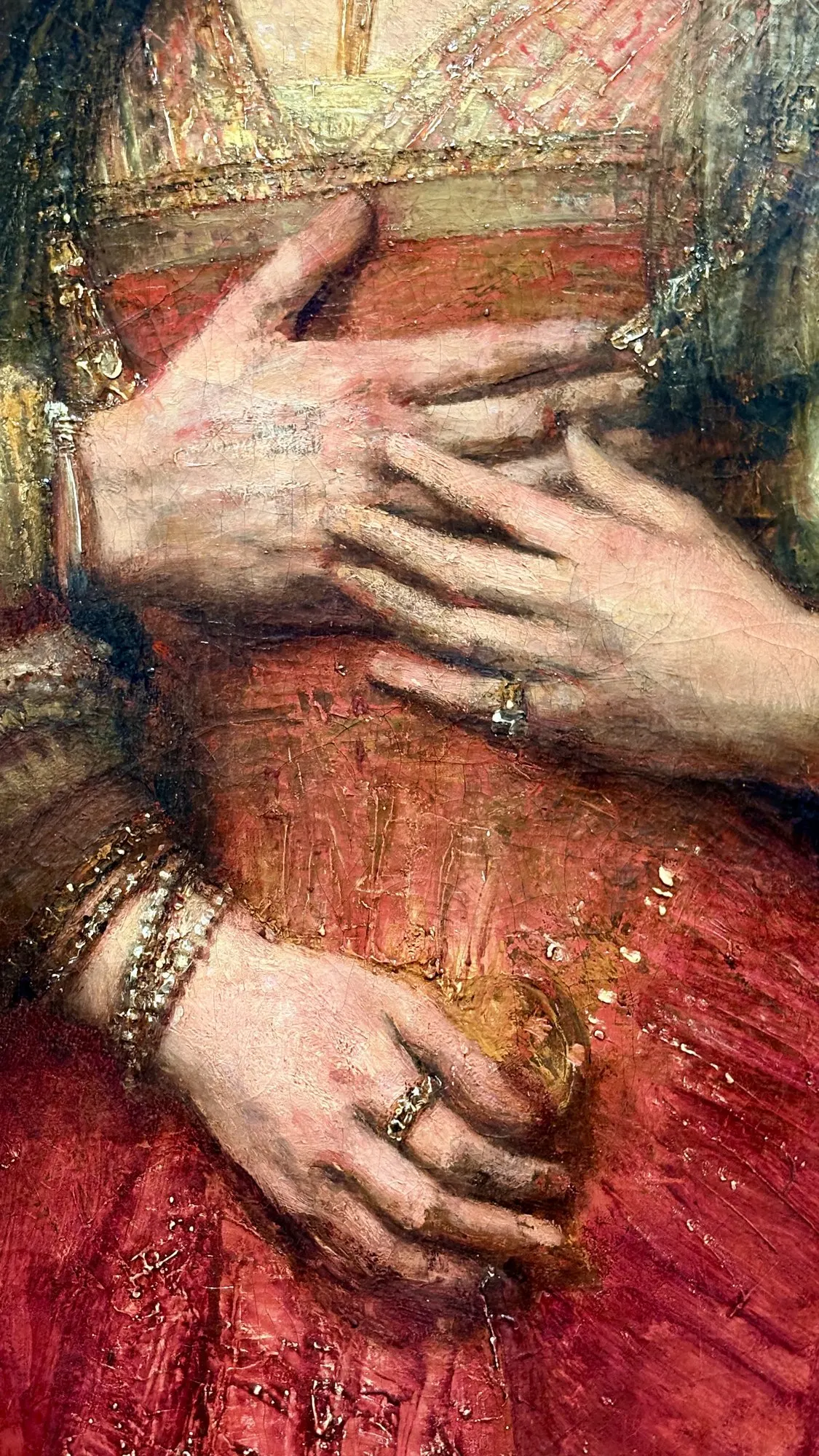
That's why this was a photography lesson, not a museum visit.
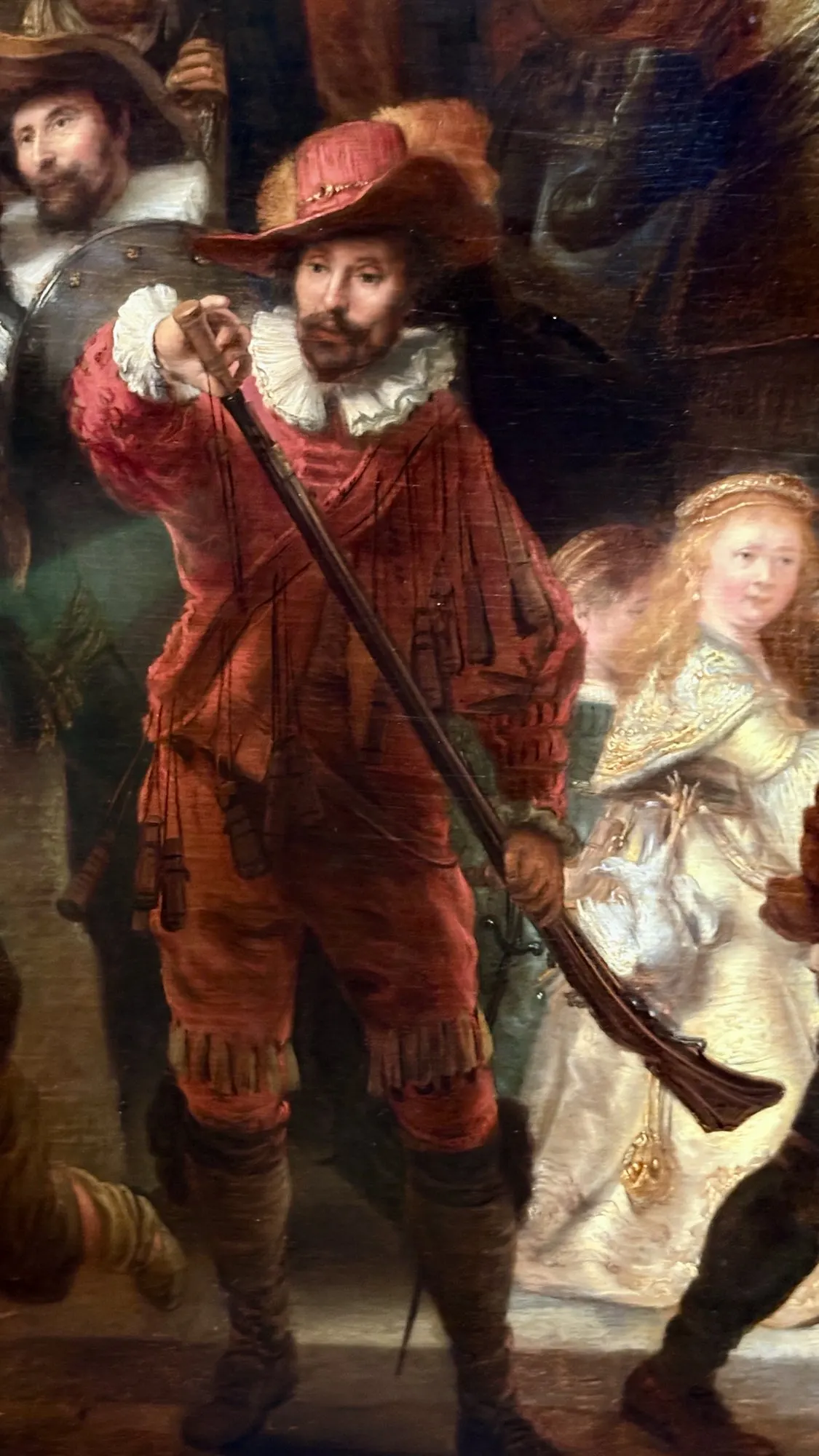
I spend my time chasing accurate rendering: the right exposure, the right output, detail that holds at 100 percent, which means when you look at the image at full size. A sixty-megapixel sensor does that better than any 17th-century painter. But accuracy has never moved anyone. These painters didn't paint what they saw. They painted what it was like to see it. And they understood, three hundred years before us, that you sometimes have to damage the rendering to get there.
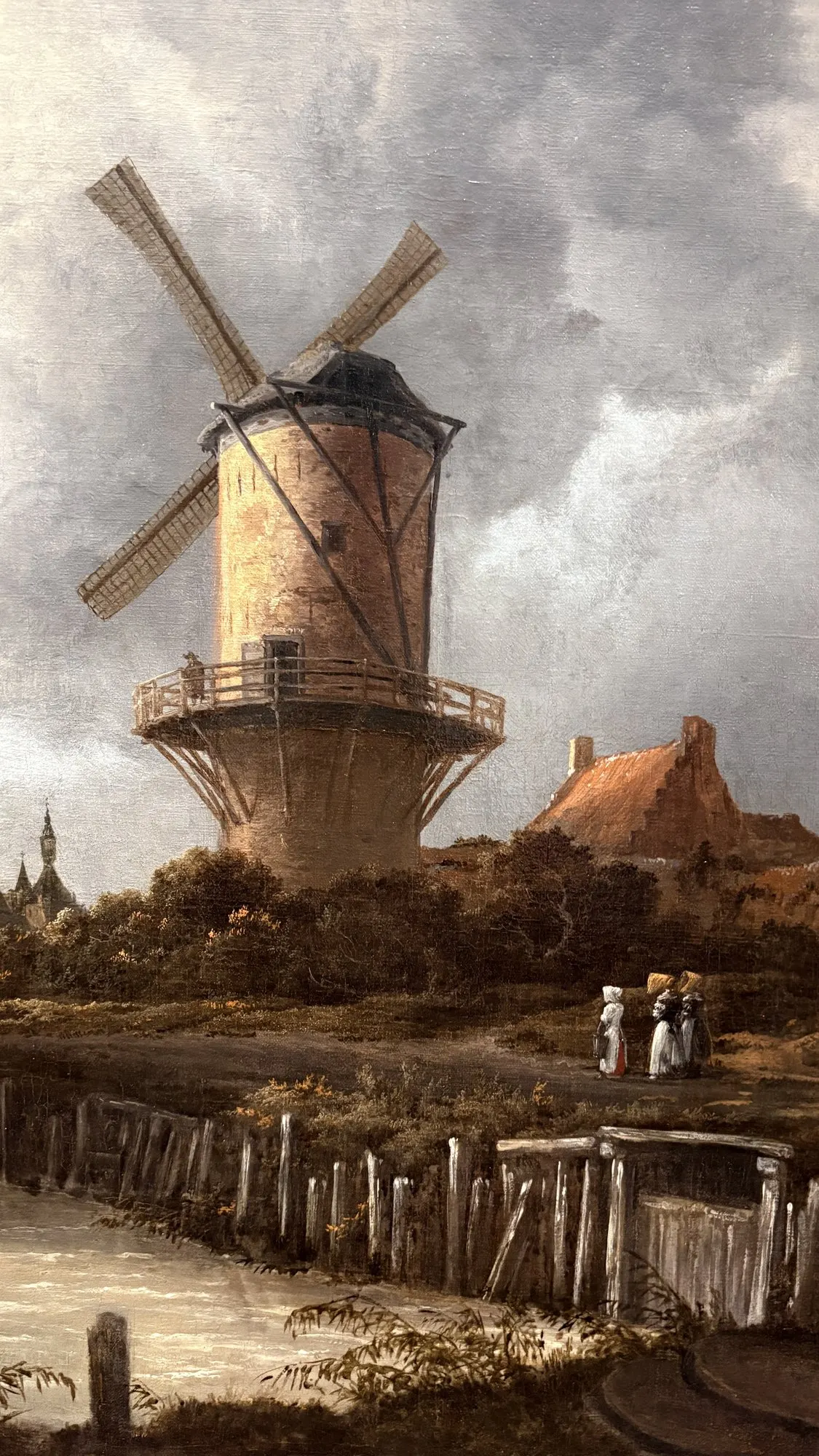
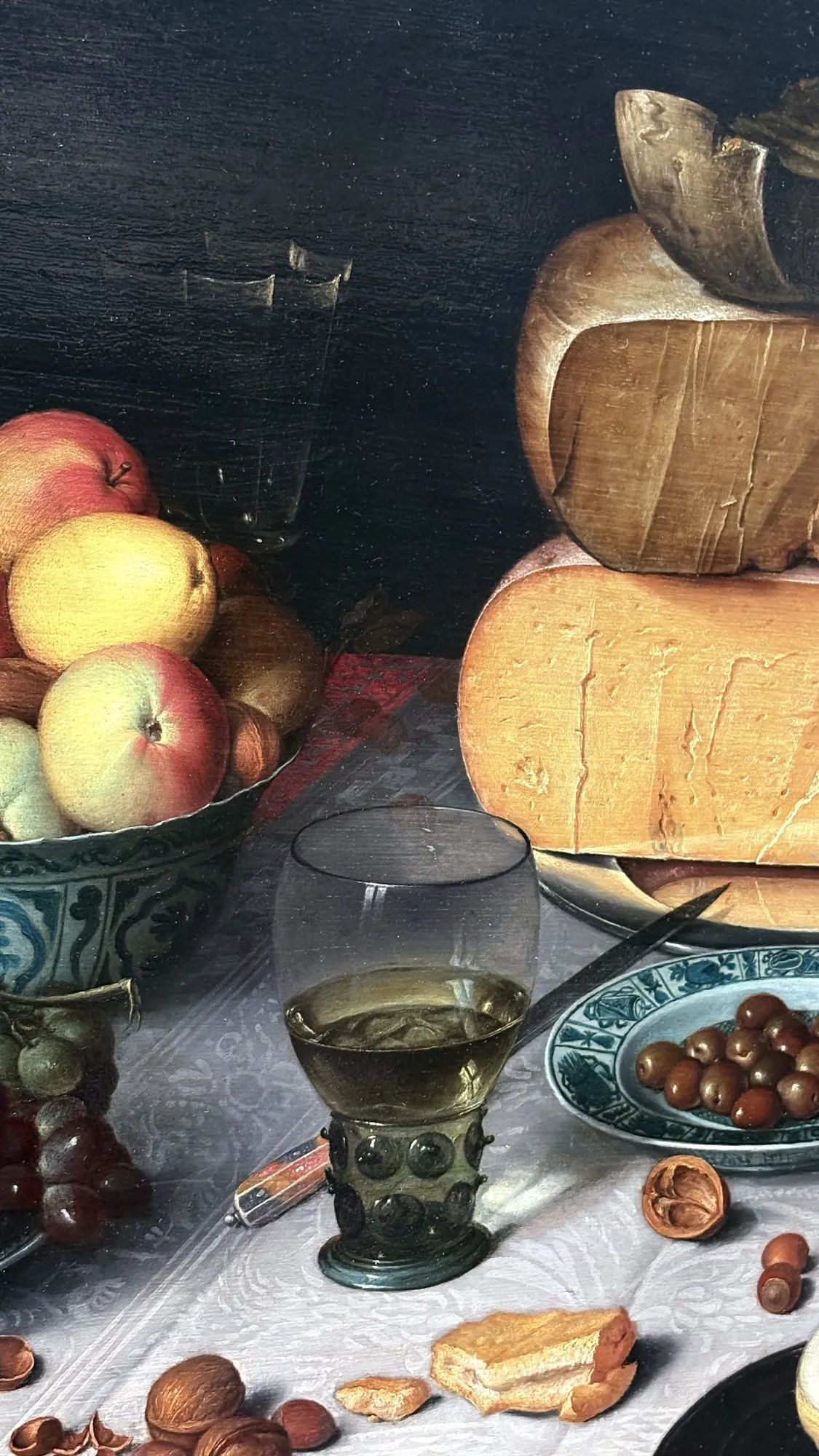
Ruisdael's windmill is not accurate. The sky is too heavy. The light on the brick is too late for that sky. He isn't showing a mill. He is showing the moment the storm arrives. The cheese still life stacks three wheels with a greed no inventory could justify. The lute player sings with his mouth open, eyes up, badly lit. It is the only portrait in the room that makes a noise.
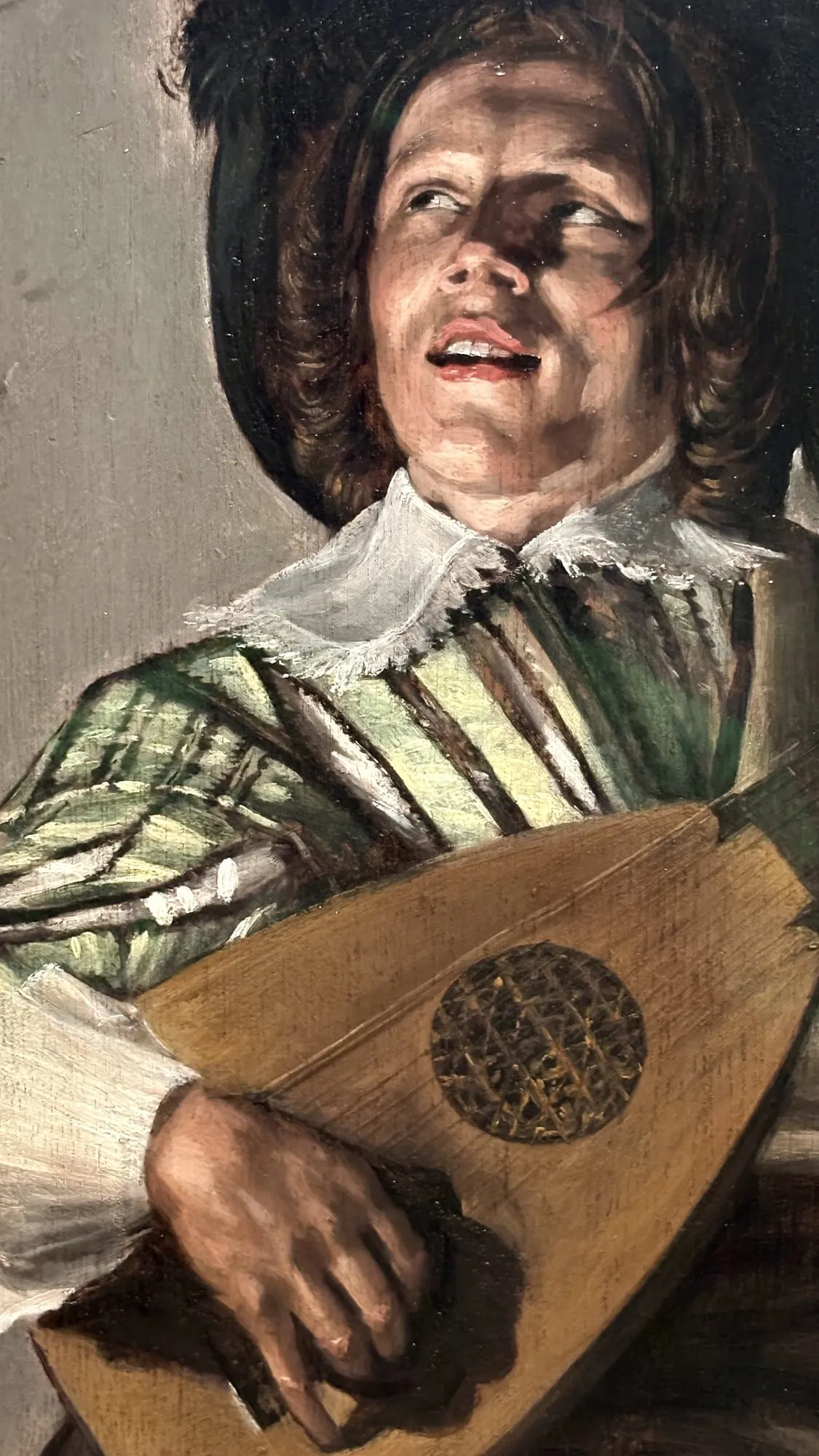
None of these paintings is a record. Each one is a point of view.
I left without becoming a fan of the period. But with a question I didn't have on the way in, and that has stayed with me since: in my own images, what am I willing to make less accurate to make it more true?
